Bridging two worlds.
The Problem
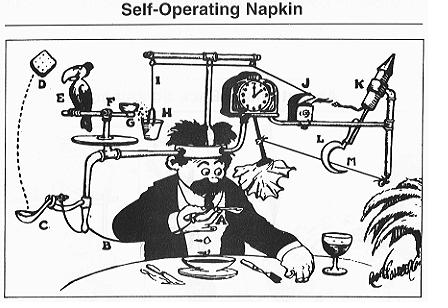
Today's financial system reminds me of a Rube Goldberg machine; it’s the result of decades of patches and "kludges". Something as simple as updating two spreadsheets has become a labyrinth of bureaucracy, platforms, regulations, and networks.
This is unfair for migrants sending remittances. Despite UN and G20 pledges, incentives for change are low. We often see "Gatopardismo": "Everything must change so that everything stays the same."
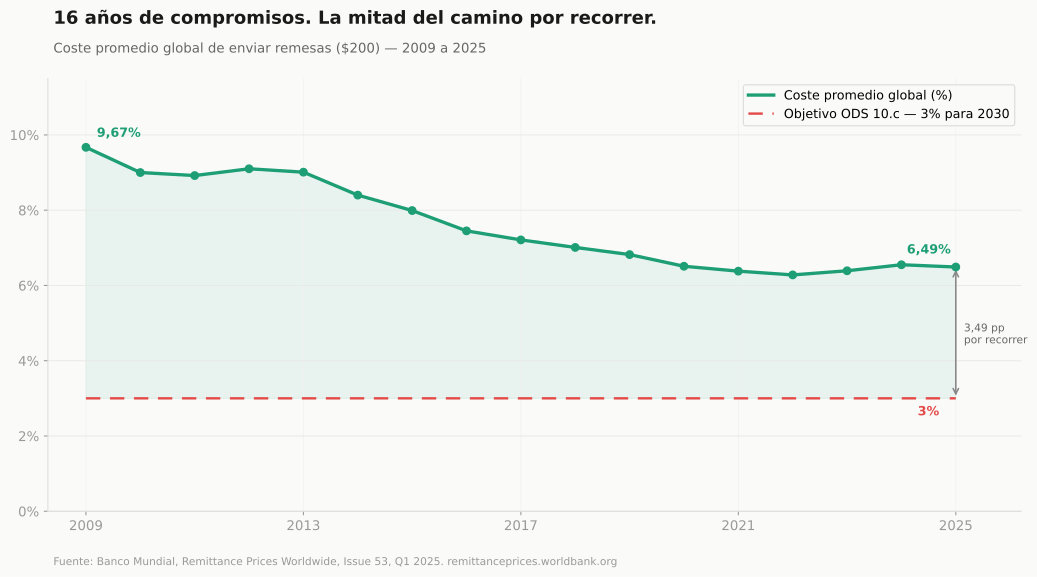
Context: $685 billion in remittances are sent annually, with a 6.49% average cost. Over $44.5 billion never reach their destination.
An Alternative World
Bitcoin was introduced during the 2008 crisis—a representational moment for the dangers of trusting institutions. Satoshi offered an alternative: P2P money that doesn't require permission.
On the Shoulders of Giants
The legacy system won't build the tools that lead to its own disappearance. We need a translator—a protocol that speaks both the language of verifiable accounting and legacy money.
The Foundation
Ubiquitous smartphones are the key infrastructure. By connecting local mobile transfer apps with Bitcoin Cash, we can move wealth out of the old system.
The Process
Currently, moving money involves too many steps: depositing in exchanges, swapping for BCH, transferring, and swapping back. This creates costs and delays. We need this to happen automatically in seconds.
The Chain Reaction
The protocol coordinates the movement securely: someone in Barcelona sends a Bizum, triggering a sequence that ends with pesos in a Mercado Pago account in Buenos Aires.
"It is the foundation that connects both sides".
The Trojan Horse
Asgaya aims to mobilize those lost fees to drive adoption. Every transfer creates a new green dot on the merchant map.
Conclusion
Asgaya is built on frustration with the lack of progress. The first step is a Raspberry Pi (Pi-chan) that completes transactions via Bizum autonomously.
i Rube Goldberg, Self-Operating Napkin.
ii Bank of Spain — Report on the 2008–2014 financial crisis.
World Bank RPW Issue 53, Q1 2025.